
Stories Of Polynesia and Beyond

News at the Center

Eat Polynesia

Cultures of Polynesia

Hawai’i Travel Tips
MOST RECENT POSTS
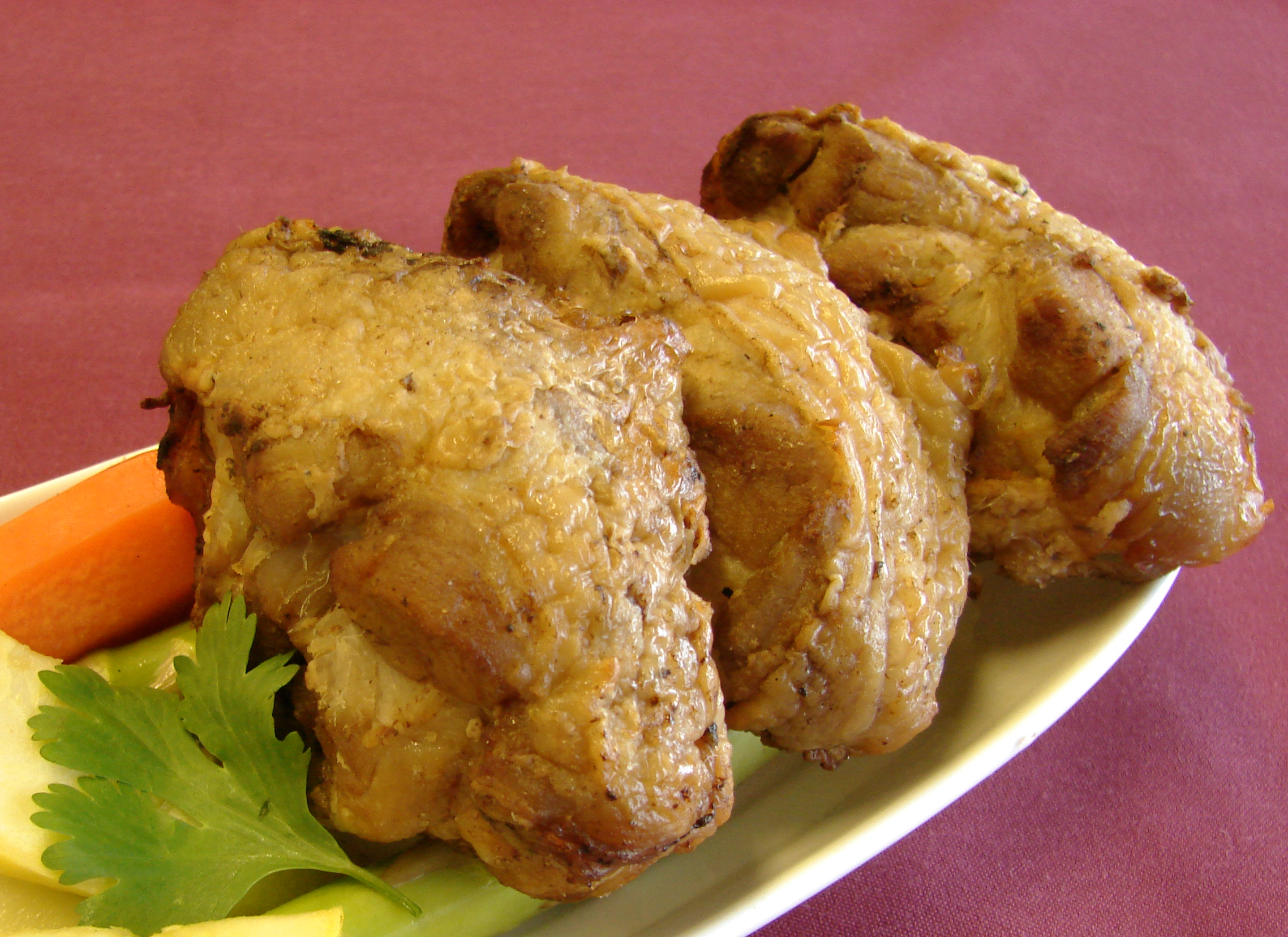
How to Make Roasted Turkey Tails – Samoan Style
“The secret to this simple approach to the perfect roasted turkey tail is patience. Cook it long and slow, which will make it both extremely tender and delightfully crispy”
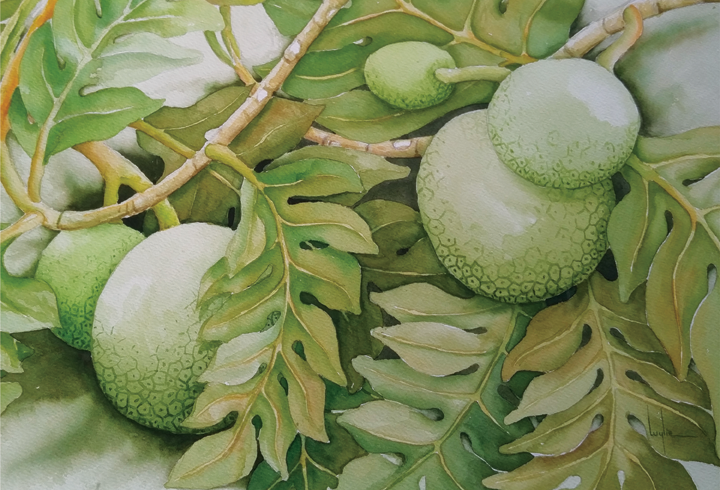
International Breadfruit Conference
The Polynesian Cultural Center co-hosted the 2018 Global Breadfruit, Technology & Health Summit in Laie from October 15-17, 2018. Participants held most of their morning sessions in the Center’s Hawaiian Journey Theater and toured the PCC villages to see how our various islanders prepare and use breadfruit. They included government officials, doctors, university professors, scientists, cultural practitioners, bakers, chefs, culinary program people, and other ‘ulu advocates.
Polynesian Cultural Center celebrates 55th anniversary
1963-2018 Fifty-five years ago on October 12, 1963, hundreds of invited dignitaries, tourism executives, Church College of Hawaii (which became BYU–Hawaii in 1974) administrators and faculty, media, Polynesian cultural leaders, Church officials and community...
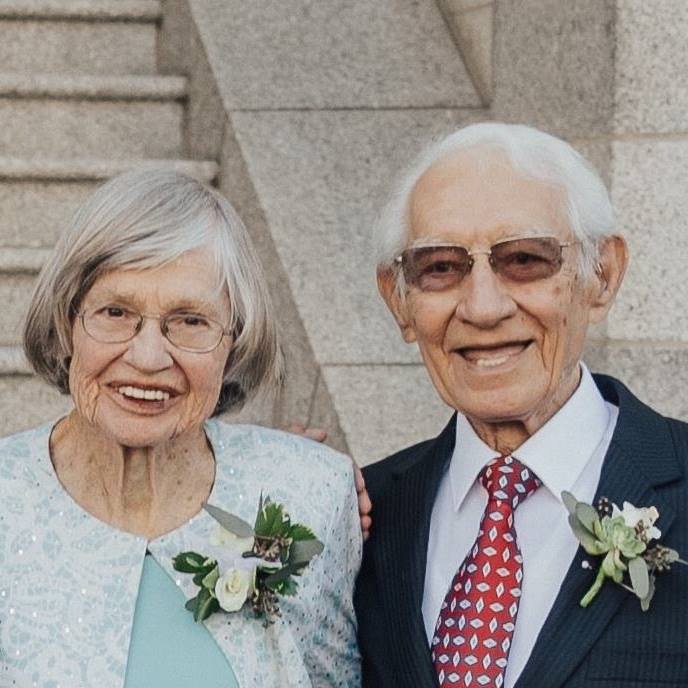
David Hannemann Remembered as a Legacy of Love
The Polynesian Cultural Center wishes to acknowledge the recent passing of Tausilinu’u David Hannemann (fondly known as Uncle David) who passed away in October of this year. This article is meant to honor Uncle David the way he would have wanted it – through the love of his ‘ohana at the Polynesian Cultural Center. We hope you enjoy this tribute to a very special member of our team.

MOST POPULAR POSTS
Christmas in Polynesia: Mele and Iosepa
Mele and Iosepa's First Christmas: Introductions Christmas is a special time on the islands. We not only celebrate the joy and magic of the season, we know how to have fun! As a special holiday gift, we have prepared our own Christmas tale. Iosepa is our brave,...
In Other PCC News
Kahuku High Team, Fans Celebrate at PCC Despite a disappointing second-place finish in the recent 2016 Hawaii state open football championship, “Red Raiders 4 Life” fans and friends celebrated with their Kahuku High football players on Friday night, November 26, at...
PFHOF Announces ‘College Player of Year’ Finalists
SPECIAL UPDATE: The 2017 Polynesian Football Hall of Fame College Player of the Year is Sefo Liufau The Polynesian Football Hall of Fame announced its five Polynesian College Football Player of the Year Award Finalists on November 22. They present the annual award to...
How to Rain-Proof a Samoan Fale
Rain Proofed Living Q: What did the Samoans who traditionally lived in open-sided fale or houses do when it rained heavily? A: Centuries ago the old Samoans figured out a way to weave a series of pola or “blinds” made from coconut-leaf fronds that were...
Hula Dancers Today: Preserving Tradition with Grass Skirts
Grass Skirts, or Not? So-called “grass skirts” have always been a misnomer; however, Hawaiians and other Polynesians have traditionally used strips of natural fibers, barks and other materials to create various skirts and adornment. The purpose of such skirts, beyond...
PART III – Pearl Harbor and WWII Histories from La’ie: Mixing It Up in La’ie
SEGMENT III: Mixing It Up In Laie In Part 3 of our series of Laie during World War II, we learn from the recollections of Laverne Pukahi, Joe Ah Quin and Gladys Pualoa Ahuna about how the locals entertained themselves, what it was like to be surrounded by numerous...
Interested In More Aloha?
Sign up for our monthly newsletter and choose the categories you are mosted interested in.
