

Women now have their own division at the 2019 World Fireknife Championship
Exciting addition to 2019 World Fireknife Championship “Soon after the Polynesian Cultural Center’s 2018 World Fireknife Championship competition ended last May, we began preparing to make the 27th annual competition from May 8-11, 2019, even...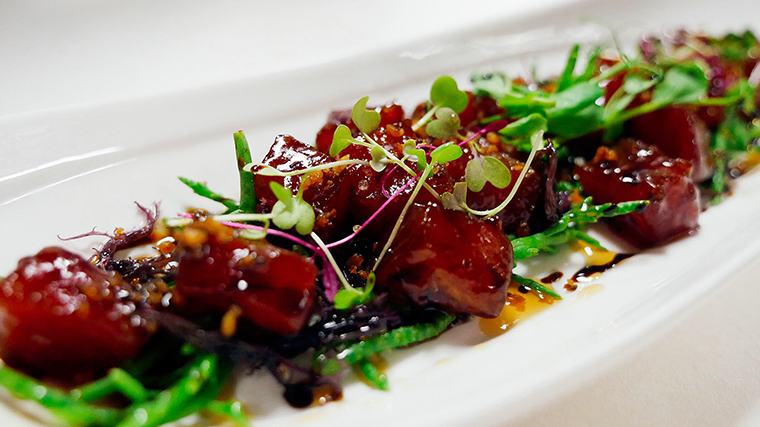
Poke as it’s meant to be: simple, fresh, full of aloha
One of the greatest pleasures of my job is my regular visits to Chef Felix Tai of Pounders Restaurant. Not only do I get the chance to try out some incredibly ono recipes, I get to spend 2 hours or more with a passionate, somewhat excitable, “food is my...
The Elephant Shack
The Elephant Shack food truck, which has been a favorite on the North Shore for years, is already drawing repeat customers among Thai food fans! The newest addition to the Polynesian Cultural Center’s Hukilau Marketplace moved its service to La’ie October 16, 2018. A...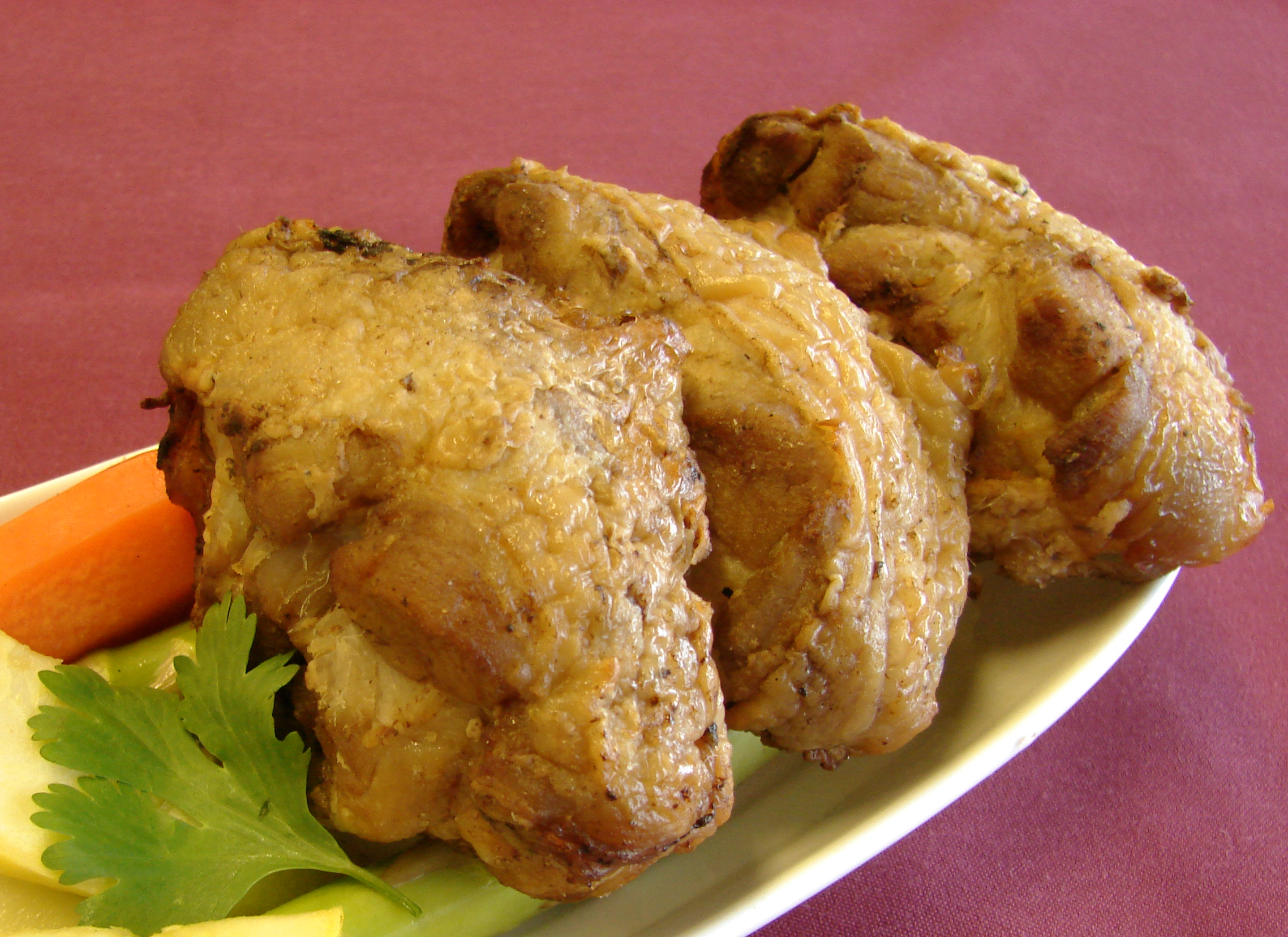
How to Make Roasted Turkey Tails – Samoan Style
The secret to this simple approach is patience. Cook it long and slow, which will make it both extremely tender and delightfully crispy Bringing you a tasty new recipe of an old favorite! I discovered this little turkey tail delicacy back when I was a little gal oh so...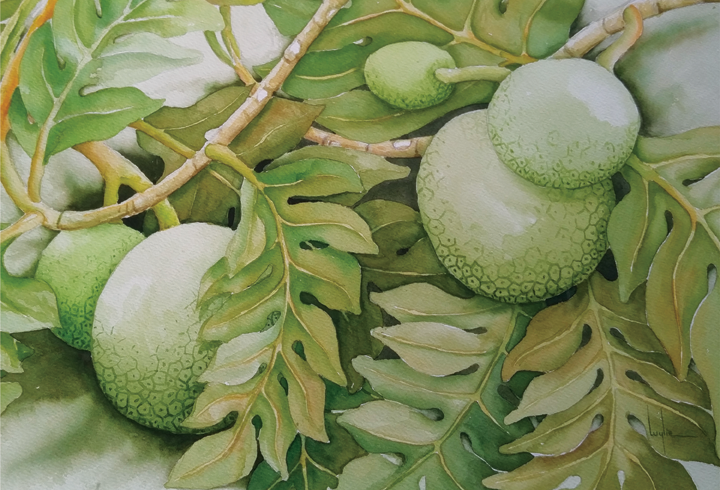
International Breadfruit Conference
For centuries the people of Polynesia have recognized the importance of breadfruit — called ‘ulu in Hawaiian and Samoan — as a source of food, lumber, and other materials. History and movie fans may remember Captain Bligh and HMS Bounty sailed to Tahiti in the...Polynesian Cultural Center celebrates 55th anniversary
1963-2018 Fifty-five years ago on October 12, 1963, hundreds of invited dignitaries, tourism executives, Church College of Hawaii (which became BYU–Hawaii in 1974) administrators and faculty, media, Polynesian cultural leaders, Church officials and community...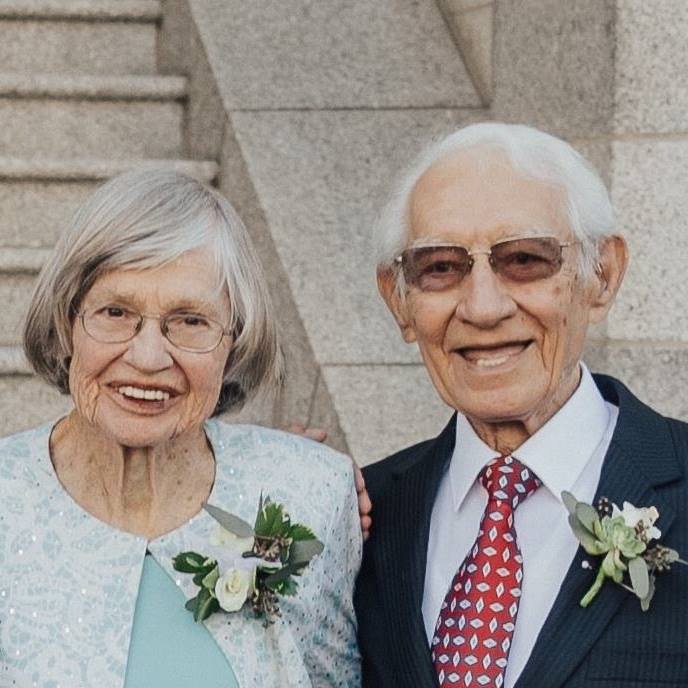
David Hannemann Remembered as a Legacy of Love
For this month’s article, we would like to recognize a true champion to the Polynesian Cultural Center, Tausilinu’u David Hannemann, who passed away on October 9th at the age of 92. Uncle David has been our friend, our adviser, and our spiritual example for so...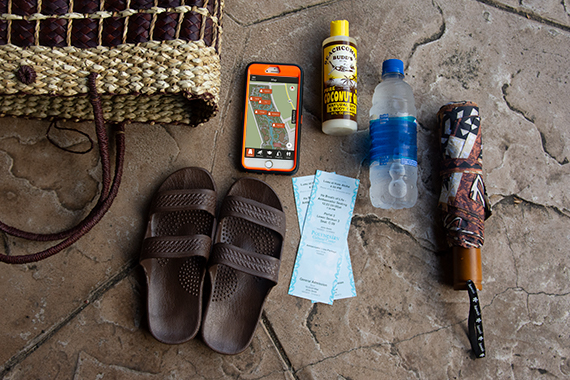
Adventure Tips for the Polynesian Cultural Center
1. Prepare for rain Bring a rain parka or umbrella (or purchase one at one of our many stores). We are on the windward side of the island and can have showers on the sunniest of days. It’s what makes us clean and green! Rain can last a handful of minutes or throughout...
Recent Comments