

The holidays can be stressful. This photo by unknown author is licensed under CC BY-NC.
We may be biased but we think Hawaii is perfect in January. Winter is crazy for a lot of reasons. Depending on where you live, there may be big shifts in the weather—conditions that may be a little more stressful than usual to deal with. Then there are the holidays: for different people, they are stressful in different ways. Lots to prepare, lots of places to be, lots of people to see. By the time you get through Thanksgiving and Christmas, you NEED January to recuperate.
What if you could change the scenario? What if you could remove the harsh weather, the party planning, and the massive meal prep, and just enjoy the holidays? Or, if your obligations erase that option this year, how about recharging in paradise?
The Polynesian Cultural Center could be your answer.
Revitalize!

Aerial view of Polynesian Cultural Center today
42 acres of tropical beauty. Think about it. You get to fly to a tropical island where the temperatures are never extreme, and the worst you might encounter on most days is a brief shower. (Granted, there are rainier days, but they don’t happen very often.)
From the moment you walk into the Welcome Center, you are an honored guest. Many people describe the feeling as magical—something shifts; something is different. The aloha spirit embraces you, and you can feel it.
The workers at the Center—from ticket agents to guides, from food servers to performers—are all genuinely happy to see you. They love sharing their cultures with all our guests, helping them understand who the island people are and what a rich heritage they bring to the Center’s Islands. They will do their very best to help you have a special experience. It’s as fun for them as it is for you, and it shows!
Something for Everyone!
The variety of things to do makes the Polynesian Cultural Center a destination for people of all ages and interests.
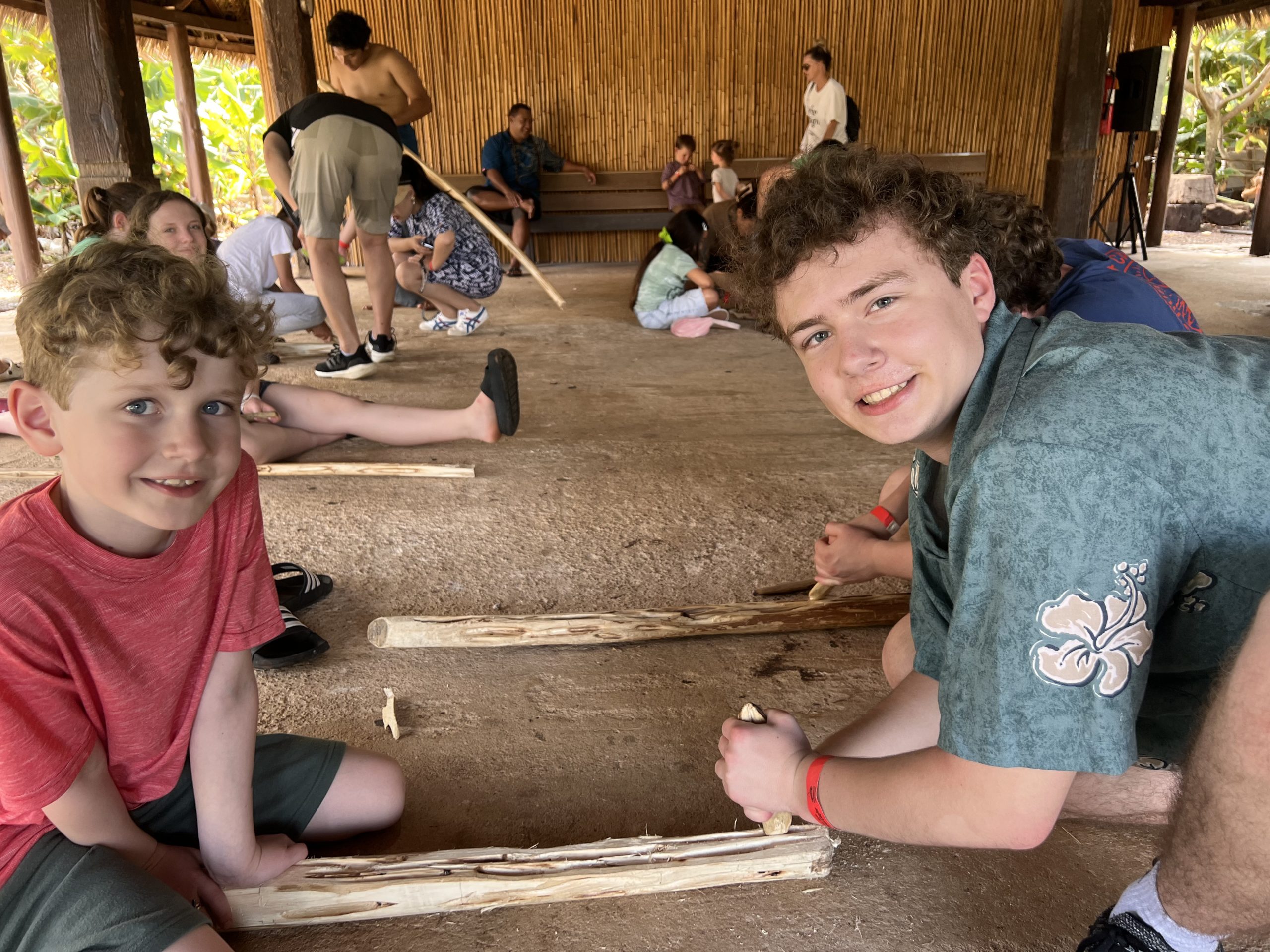
Guests in the Island of Samoa try their hands at starting fire.
For the Keiki
Keiki (children) enjoy games and crafts, as well as watching the high-energy shows. Treats add to the fun, and souvenirs are available to help them remember their visit. If they want to, they can follow a path of discovery through the Islands and claim a prize after they get their travel booklets stamped at all the stops.
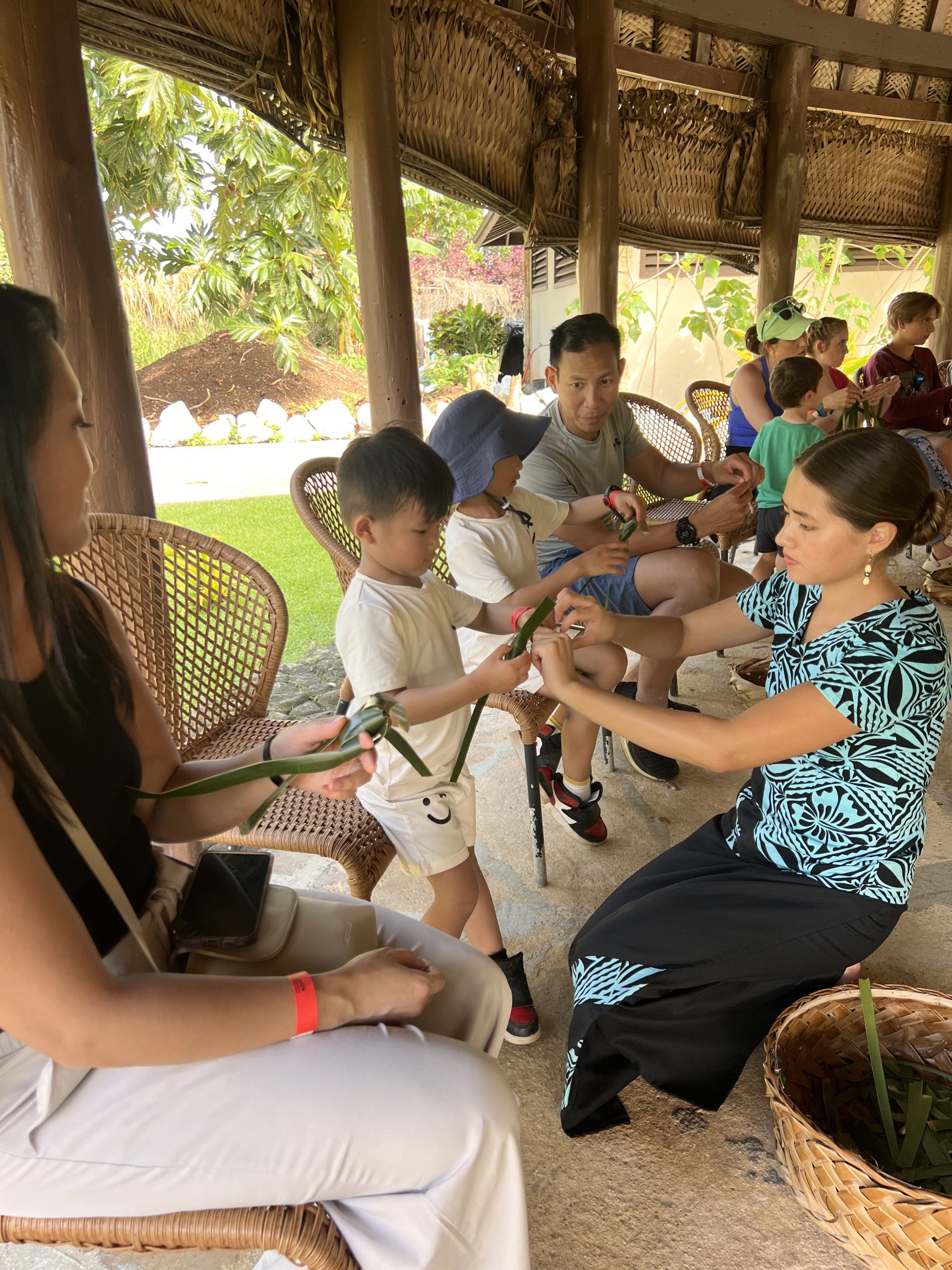
A worker in the Island of Samoa teaches a young visitor to weave a fish from coconut leaves.
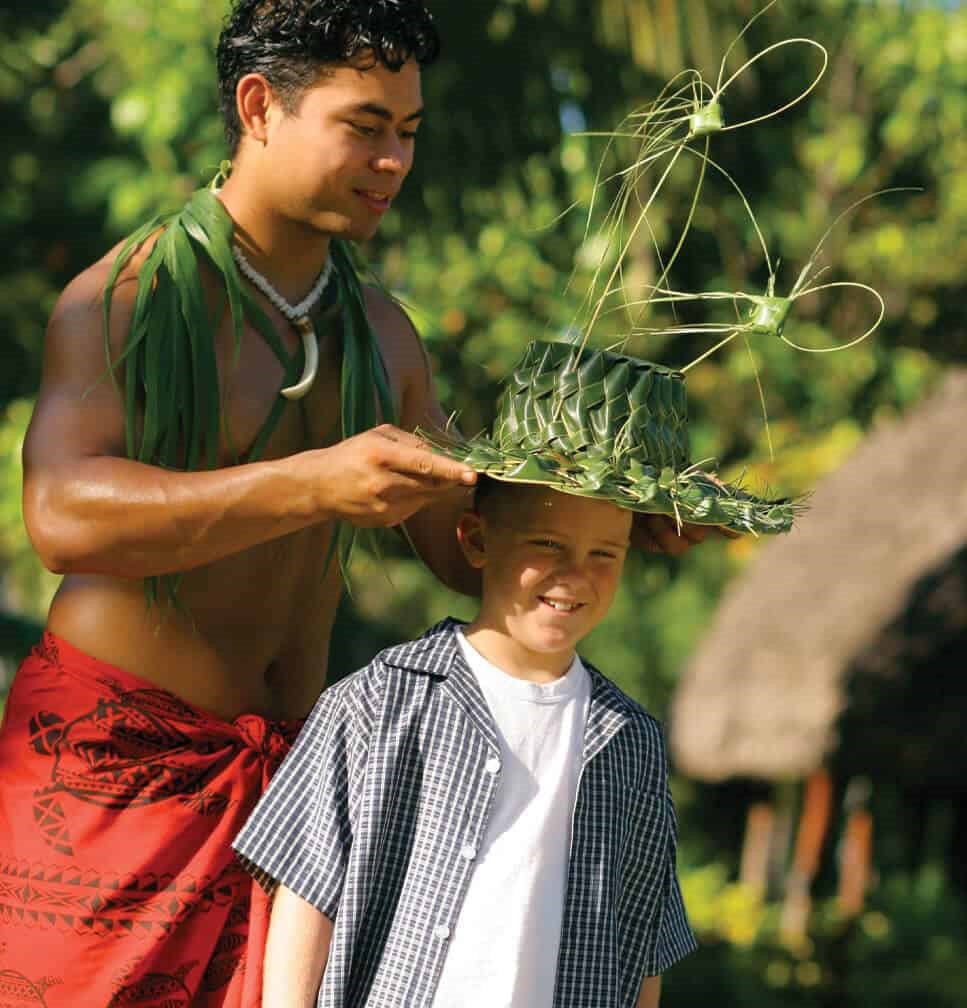
Multiple weaving projects combine to adorn this guest.
For the Young at Heart
Teens, young adults, and the young at heart are often interested to discover that games that require balance, critical thinking, skill, and timing are actually adaptations of traditional training exercises practiced by warriors. They also love the shows—particularly when they include drumming and/or fire dancing.
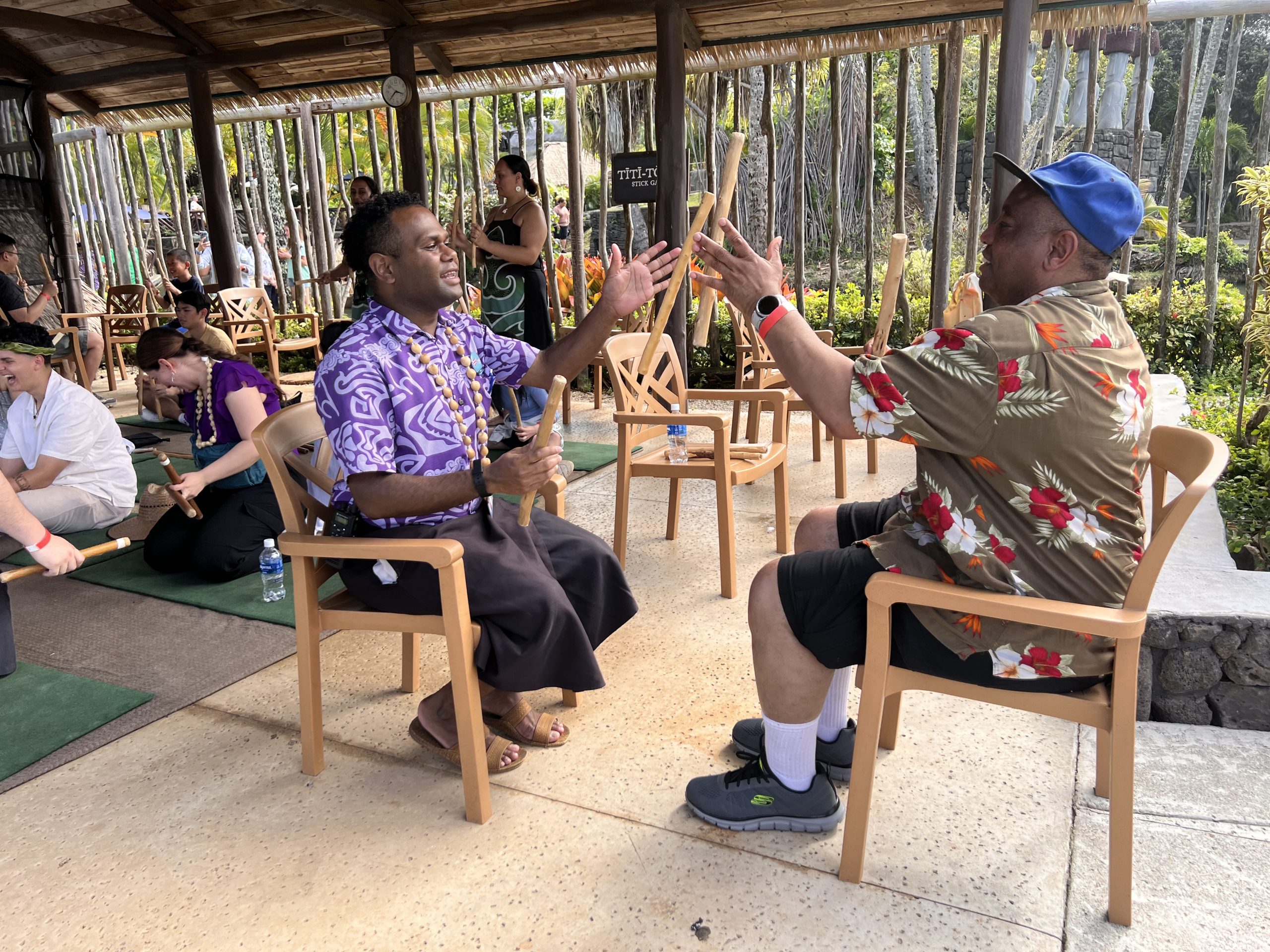
Tour guide joins a guest in a game of Titi-Torea in the Island of Aotearoa.
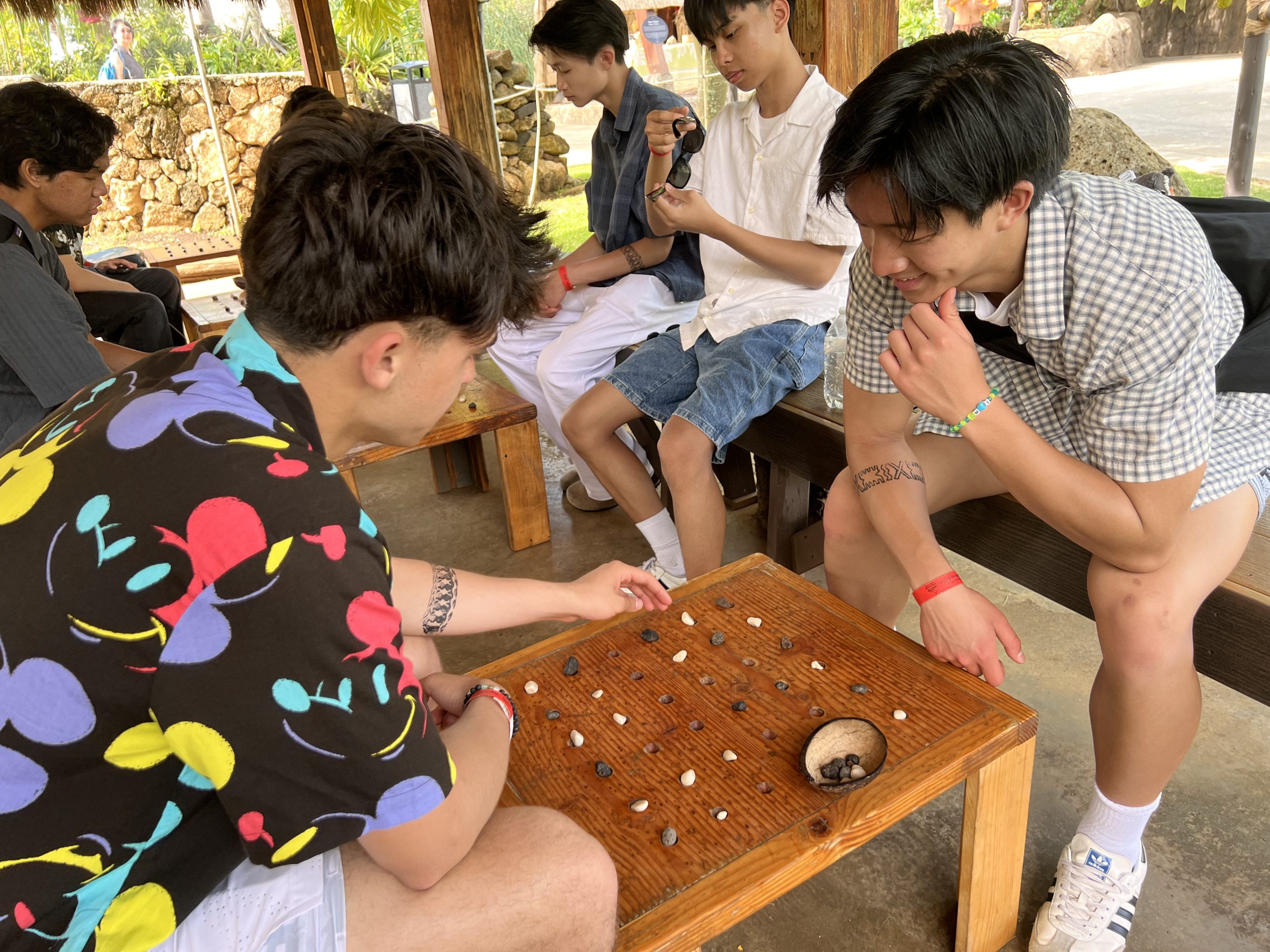
Two guests spend some quiet moments playing konane, a Hawaiian version of checkers that teaches strategy.
For History Buffs
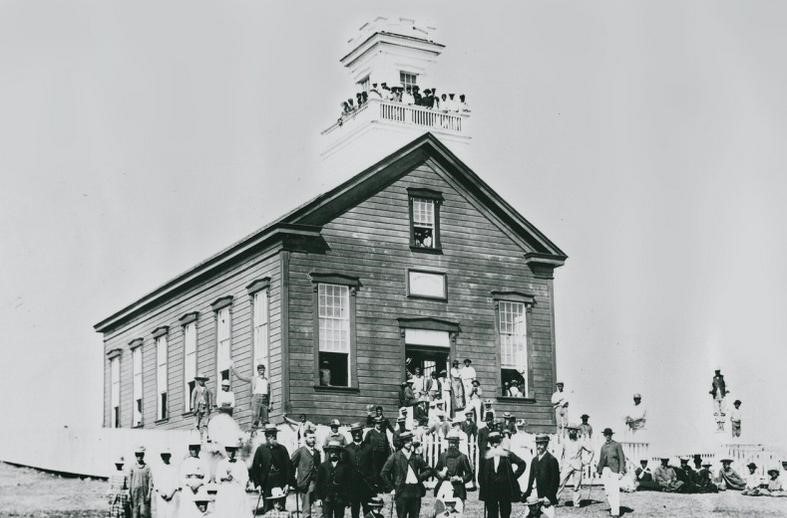
The first chapel built by The Church of Jesus Christ of Latter-day Saints in La’ie, 1847.
Those who love history will enjoy the rich heritage taught and displayed throughout the island villages. The legends upon which the island nations are intertwined in some areas, and very distinct in others. It is interesting to pick up on the nuances of how they use the resources available to build, cook, entertain, and beautify their homes. Their reverence for people and for the things of earth is real.
Stop in at the Mission Settlement, a recreation of the buildings that stood in Lāʻie in the early days, to learn about the development of the area and the distinctive kapu lau method of quilting, featuring central design applique, that originated in Hawaiʻi! And don’t miss the ʻukulele lessons here.
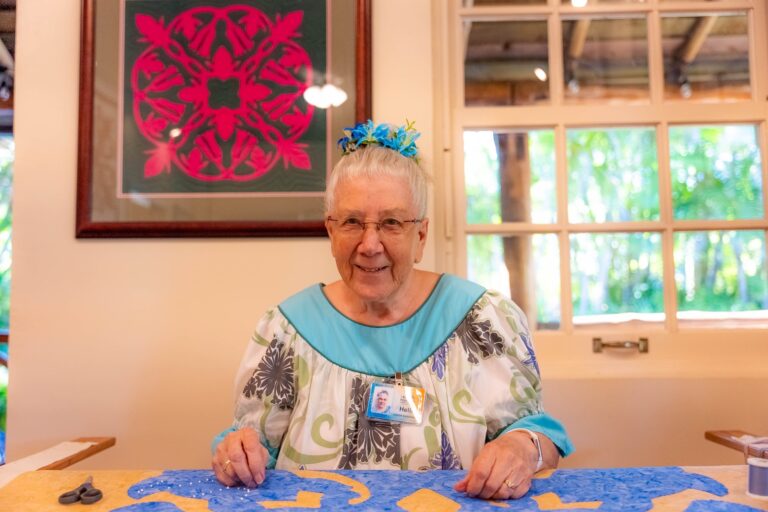
A volunteer demonstrates how to do kapu lau quilting.
For Sailors
No visit is complete without stops at Iosepa’s hale wa’a (boathouse). As you take a close-up look at this fully functional reproduction of a Hawaiian voyaging ship, you can learn about the history of wayfinding (the centuries old Polynesian way of exploring and finding new island groups), study the star charts they use for navigation, and do some hands-on tasks that all good voyagers must know. You can also stop by the or Aoetearoa’s Waka Taua (Māori war canoe) and learn about the seafaring traditions of that people.
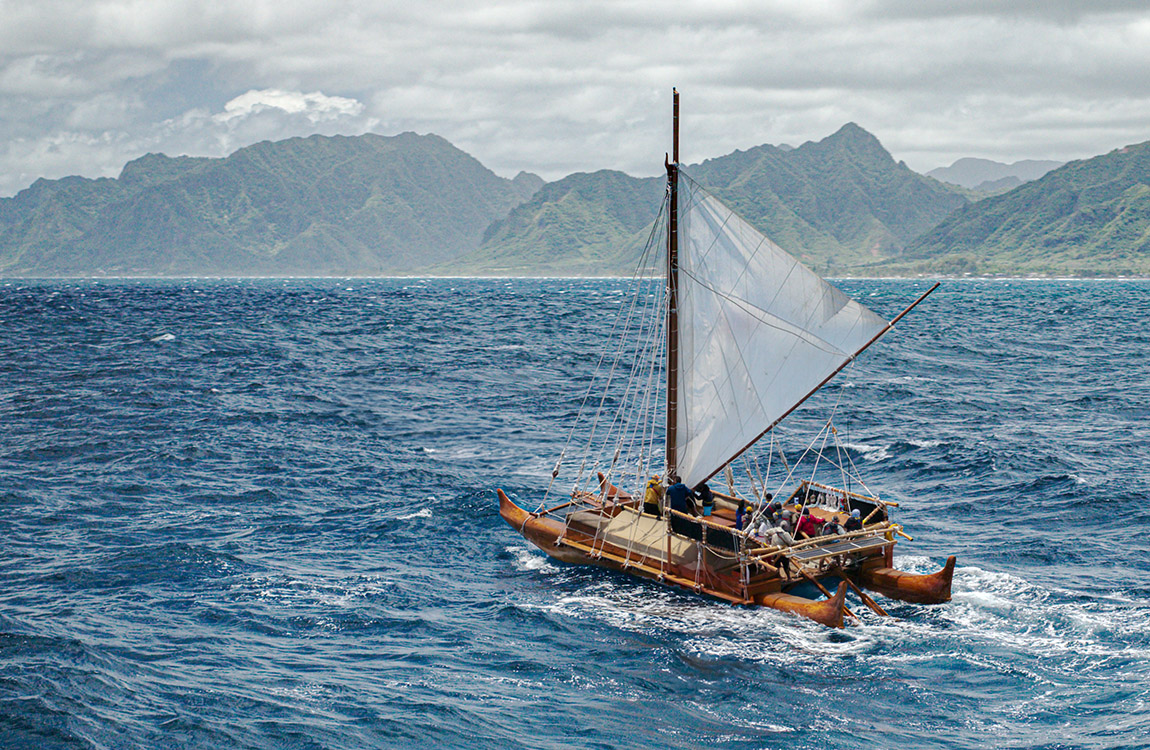
Iosepa, a replica of ancient Polynesian sailing vessels, on the water.

Waka Taua, a Maori war canoe, expertly crafted by master carvers.
For Foodies
If you’re a foodie, this is the place for you. Some of villages offers traditional foods and show how they are prepared, including how to make fire, how to cook in an imu (underground oven), and how to make poi.
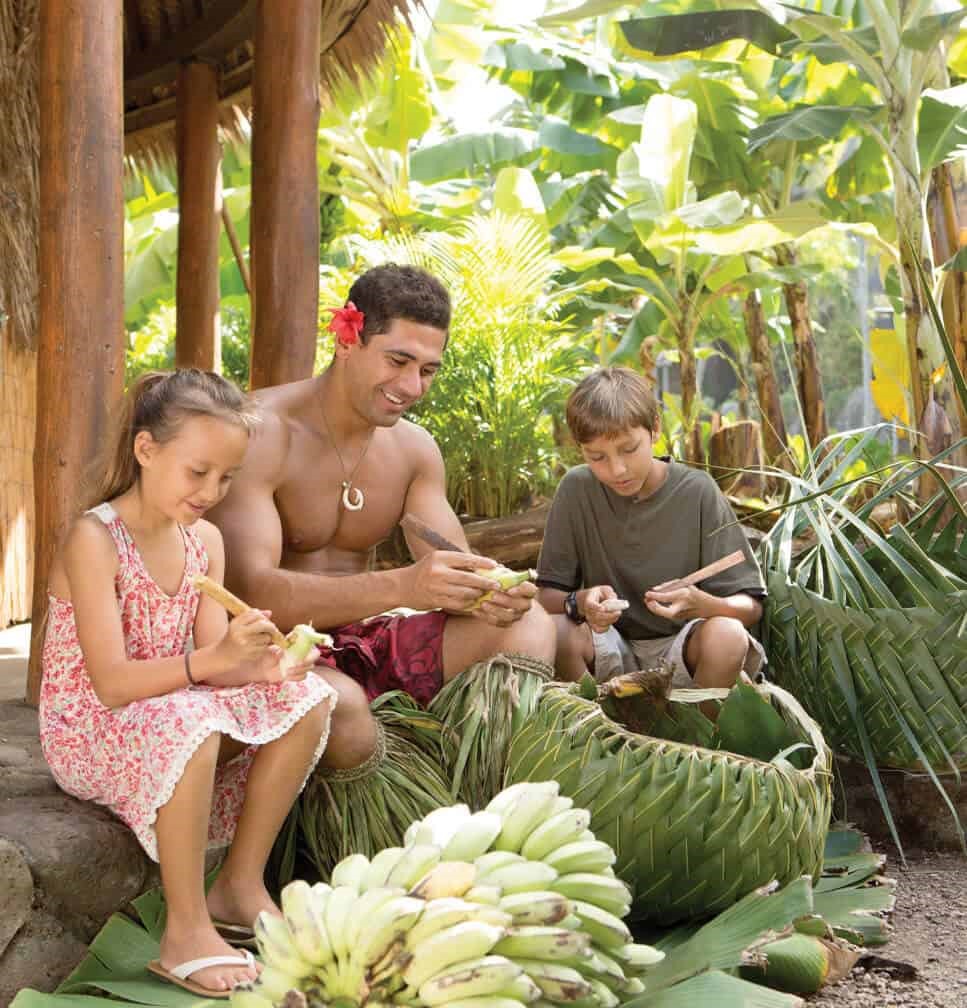
Food demonstrations and hands-on experiences teach all the phases of preparation for particular island dishes.
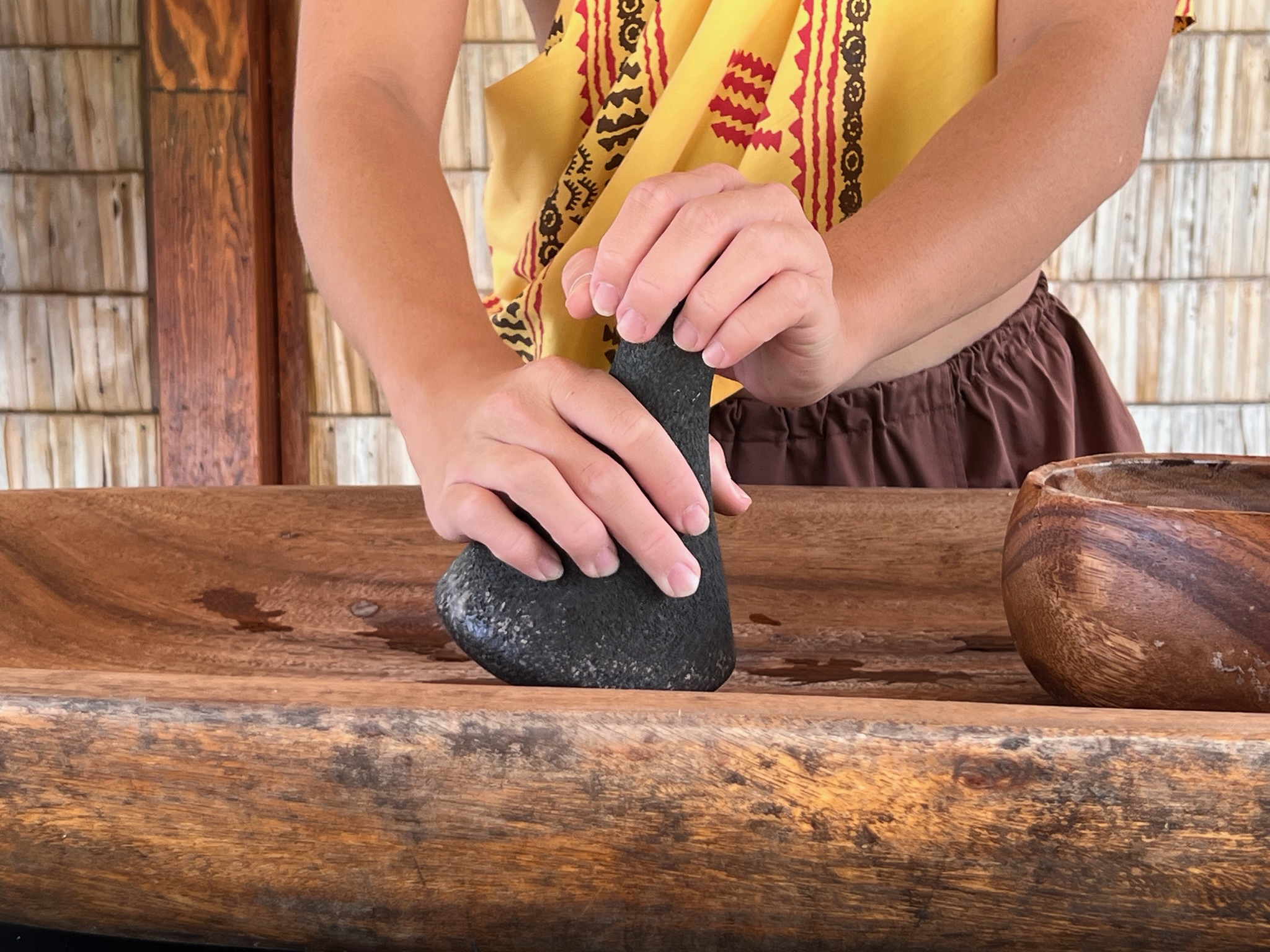
How to use the pōkau kuʻiʻai (pestle stone) to make poi.
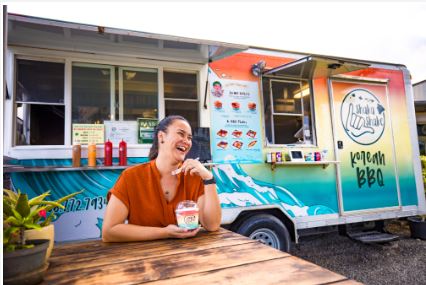
Try the shake-up at Hukilau Marketplace’s own Shaka Shake Korean BBQ.
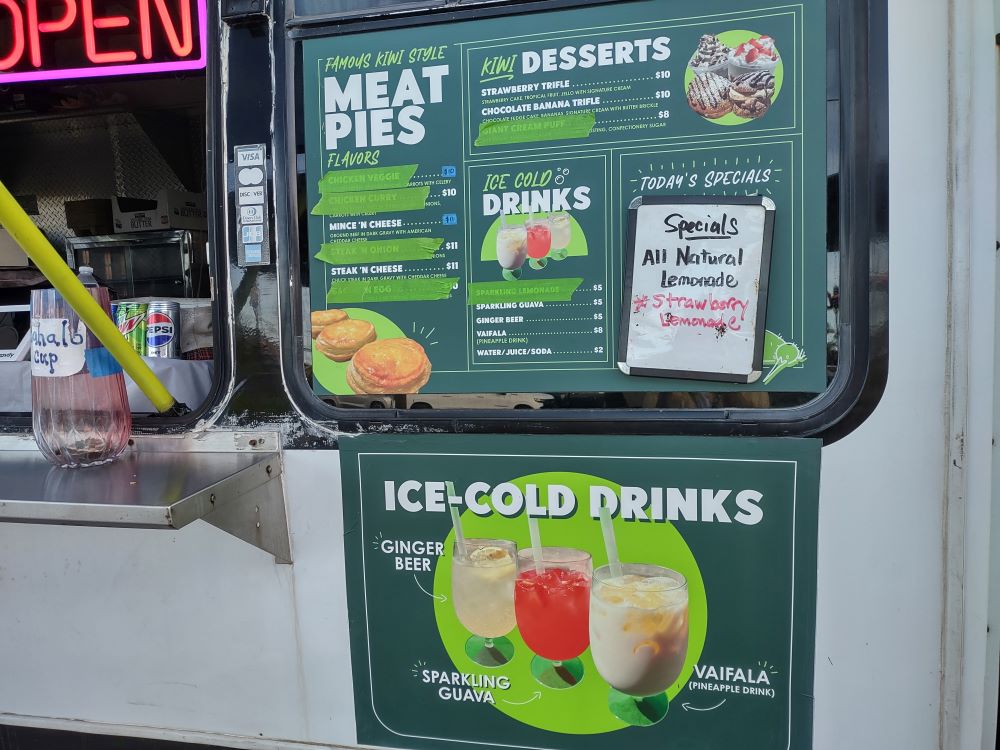
Taste explosions that transport you to New Zealand are waiting for you at Kiwi Korner.
Snack bars are sprinkled throughout the Islands area, and over a dozen food trucks in the Hukilau Marketplace offer foods from around the Pacific Rim.
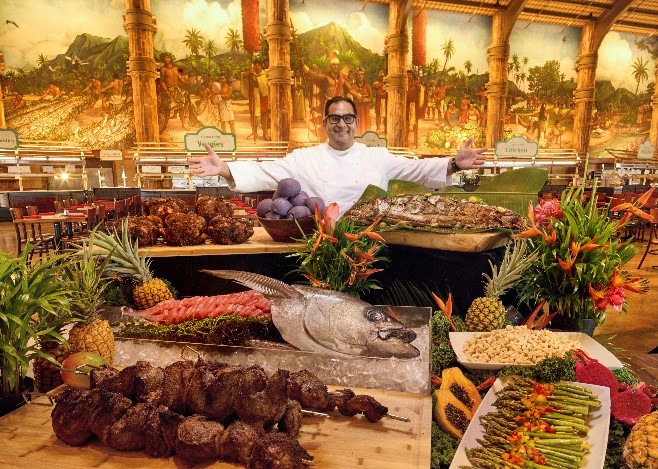
Chef Tai makes sure there are luscious foods for every taste
Our Gateway Buffet offers a wide variety of Pacific Rim favorites, modern fusions, and standard favorites, bumped up a notch. Chef Felix Tai makes sure every buffet, every day is something amazing.
And our lūʻau is a rare, absolutely authentic Hawaiian lūʻau, complete with a depiction of the life of the last monarch of Hawaiʻi, Queen Liliʻuokalani told in dance and music—much of which she composed.
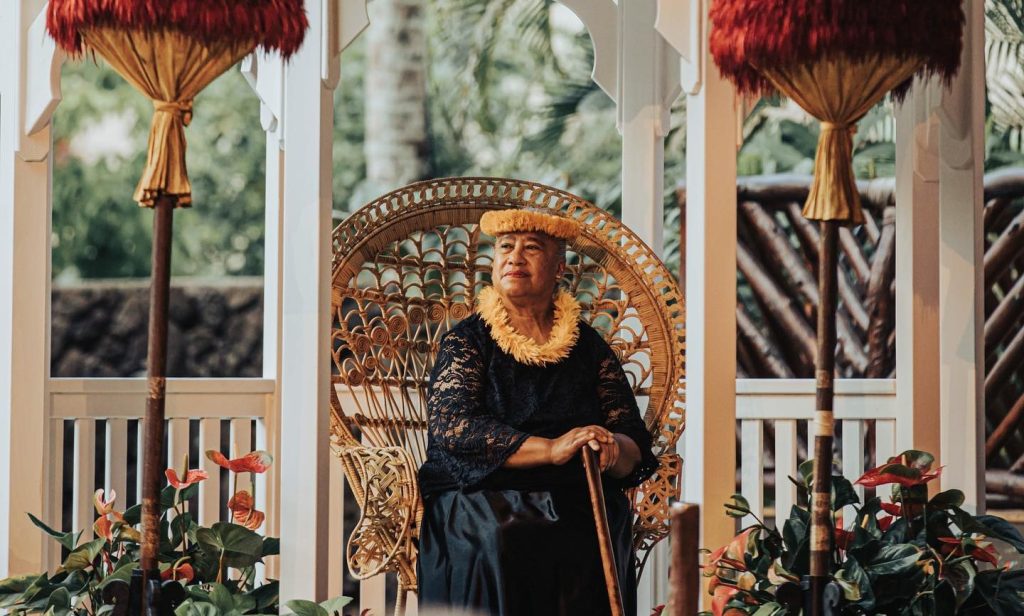
An actress portrays Queen Liliʻuokalani at the PCC’s authentic Hawaiian lu’au show.
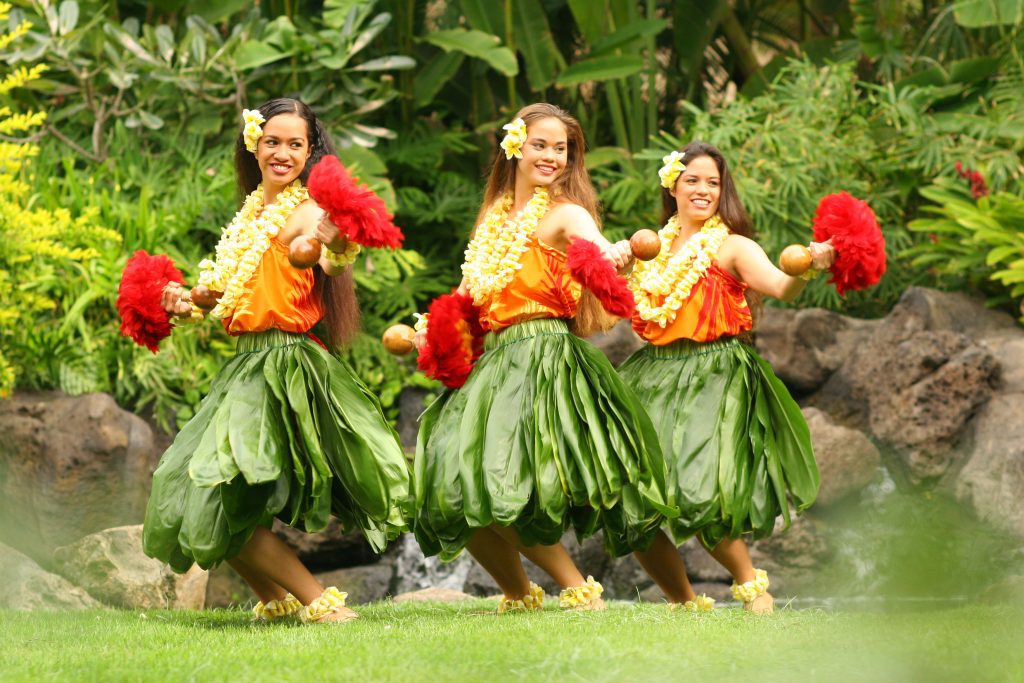
Dancers help tell the story of Hawaiian history.
Jaw-dropping Shows
Did I mention the shows? We start each day with an introduction to the islands—dancers on canoes in the middle of the lagoon. It’s a beautiful introduction to the islands that sets the tone for the myriad of experiences that lie ahead. Each village also has shows that both entertain and teach about the culture.

A dancer portrays Mother Earth in the opening of the Huki Show.
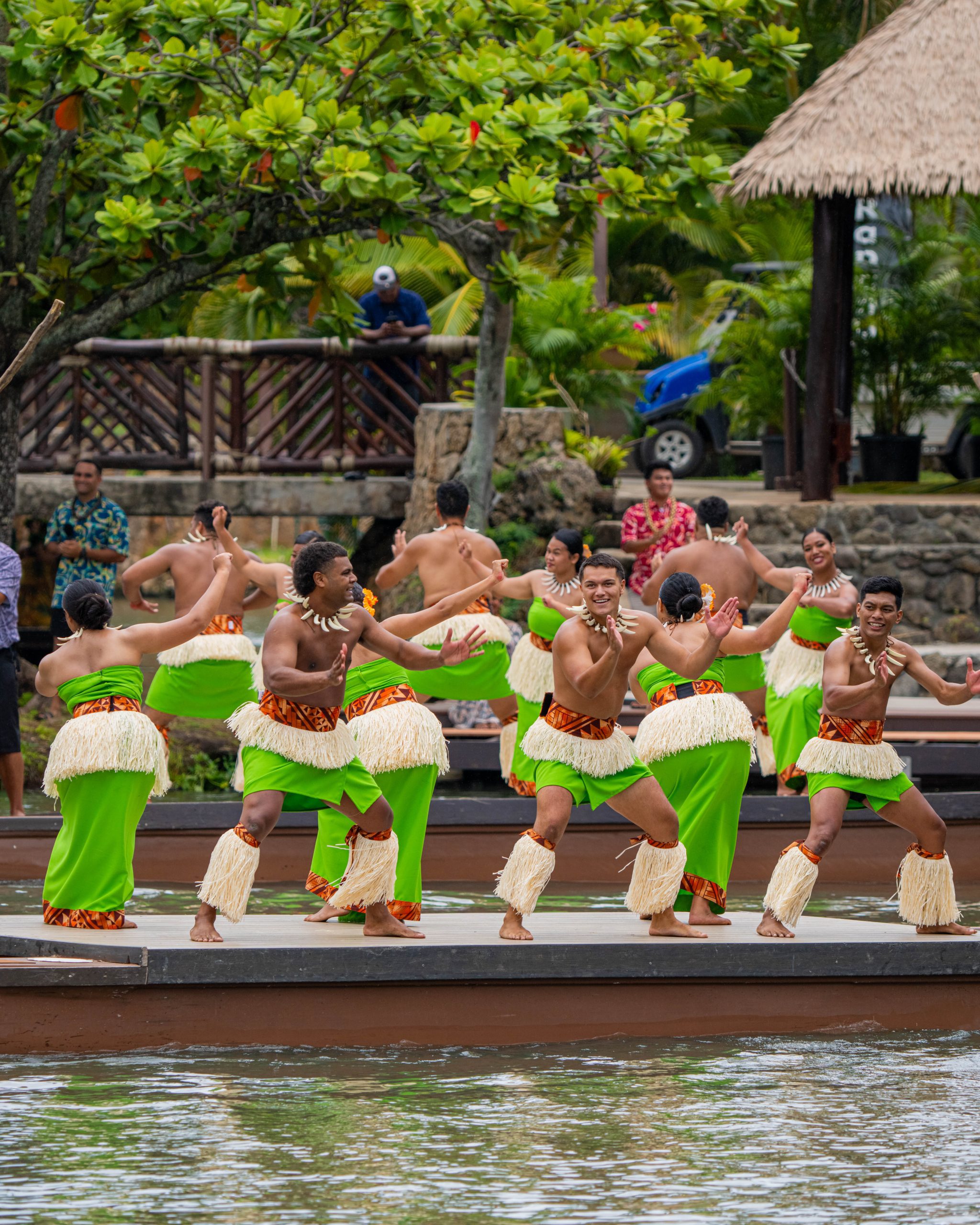
Dances from all the islands are introduced in the floating extravaganza, the Huki Show.
The things you learn in the villages are pulled together into the grand finale each day in the evening show, HĀ: Breath of Life. This spectacular presentation engages over 100 performers showcasing the cultures of all the islands represented at the Center. Most exciting are the dancing, drumming, and fire knife dancing. Even after a busy day, most guests find themselves regaining energy and enthusiasm at HĀ.
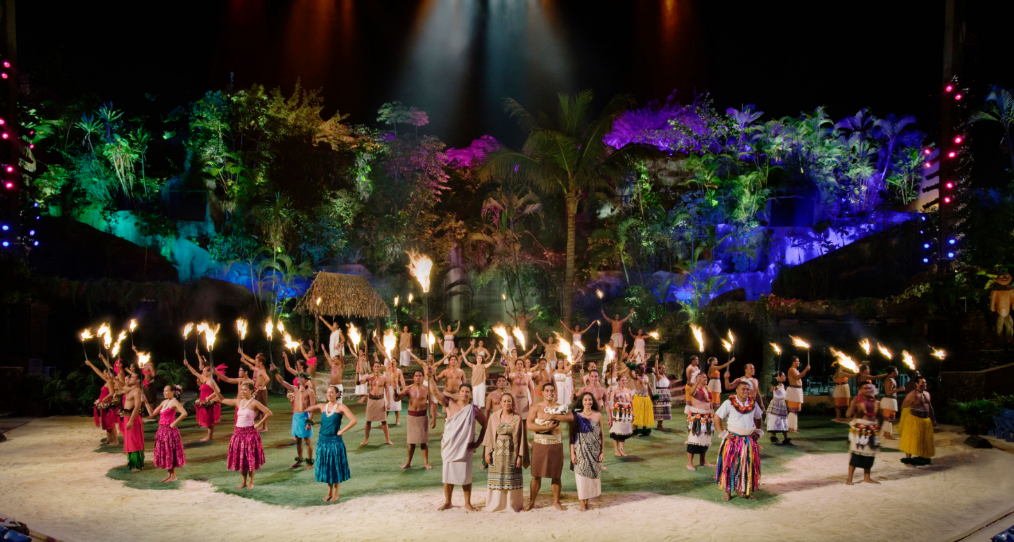
HĀ, Breath of Life is the capstone of every day’s events.
Mobility? No Problem
If mobility is an issue, you can rent a scooter, wheelchair, or stroller.
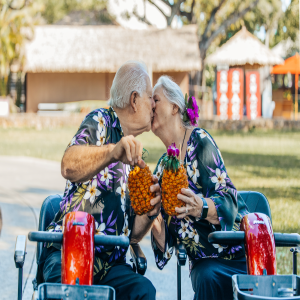
The entire 42-acre Center is accessible to everyone, and we work to make it more fun than tiring. However, I will mention that when you buy tickets to the Islands, you have the option of returning for free if you just can’t get in everything you want to do in one day. The offer is good for the next three PCC business days after your initial visit. Use it once, twice, or all three days!
Tailored to You!
You can be as busy or as laid back as you like at the Center. If you just want to feast at the lūʻau then go to HĀ: Breath of Life, you can do that. If you want to roam the Islands on your own, you can do that. If you want to paddle your way down the lagoon, you can do that. If you want a guide to help you navigate all the activities and find the ones most suited to you, you can do that, too. The possibilities are many. Jump over to our website to find the package combination best suited to you.
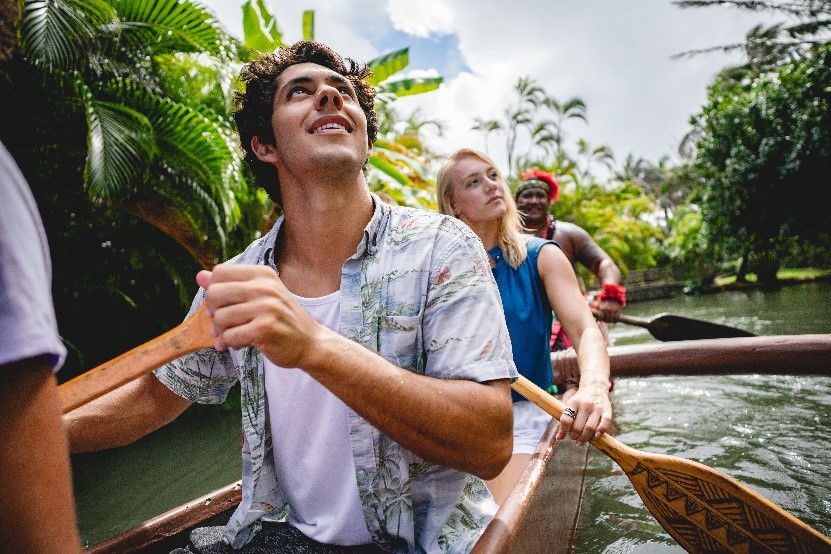
Immerse yourself in island fantasy on a canoe ride. So as you face the shopping lists, the piles of dishes, the endless wrapping, or the long list of must-appear parties, think about the other option. We’re waiting for you! Come soon!
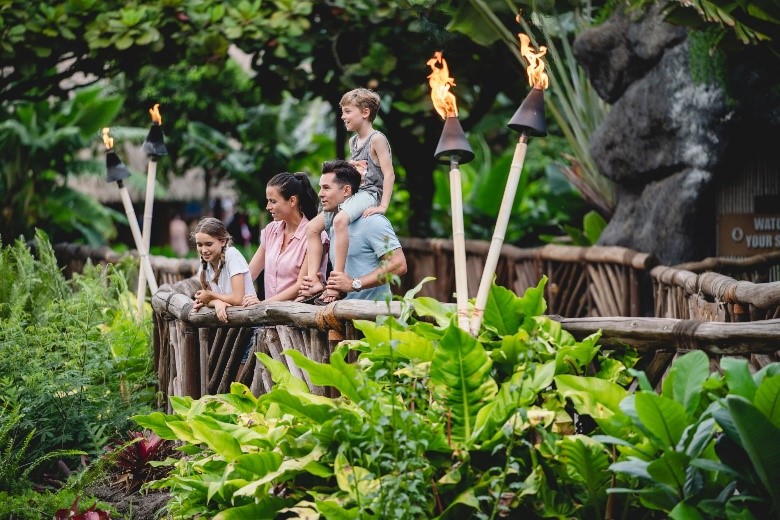
Tailor your visit to the Polynesian Cultural Center to your interests, and find tranquility here.
SIDEBAR:
Many people do not realize that the Polynesian Cultural Center is a nonprofit organization that exists to help students from the Pacific Rim islands and nations receive degrees from Brigham Young University- Hawaiʻi. Volunteer workers came from several island nations in the early 1960s and transformed what was a barren land into an oasis of learning, tradition, and aloha. From that time forward, a core of local employees and volunteers has engineered the back end of the business while students have largely made up the public face of the Center and done most of the day-to-day maintenance work. Hundreds of student part-time employees from various nations are on a program that allows them to work up to 19 hours per week, either at PCC or BYU-H. As of this writing, BYU-H is hosting students from 62 cultures. For many of them this is an opportunity to feel at home, as they seldom leave the island until they graduate. For some it is an opportunity to learn more about their own heritages—because often, their parents have migrated from the homeland—and those of their classmates. They also develop skills that support their majors, not least of which is fostering cooperation and understanding between peoples. Most graduates have strong desires to return to their homes and help build the infrastructure there. This union of purposes continues to bless visitors as well as many nations.
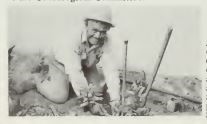
One of the early workers who helped build the Center.
Recent Comments